Why Temperament Matters in Livestock Guardian Breeds

When it comes to livestock guardian dogs (LGDs), strength and size may be the most visible traits—but temperament is what truly defines a great guardian. It’s the internal compass that guides how an LGD responds to livestock, strangers, threats, and their environment. For breeds like the Sila Shepherd, which must navigate complex working roles and sometimes interact with human visitors, a stable, thoughtful temperament is not just desirable—it’s essential.

Let’s explore what makes LGD temperament so unique and why it should be at the heart of every breeding, training, and placement decision.

More Than Just Protective

All LGDs are protective—that’s part of their job. But a dog that is only protective, without the ability to evaluate situations calmly, can become a liability. An LGD’s role isn’t to attack or act on fear; it’s to observe, assess, and act with purpose and control.

A well-tempered LGD should:

  1. Discern threats from normal activity
  2. Choose appropriate responses—such as posturing, barking, or simply watching
  3. De-escalate when possible, only escalating if a real threat persists

This is why temperament matters more than sheer aggression. A dog that reacts without thinking may harm stock, escalate unnecessarily, or become overly suspicious of people—creating stress on the farm and limiting where the dog can safely work.

The Foundation of Trust

A good LGD must be trustworthy around livestock. This includes not chasing, harassing, or overcorrecting animals—even during times of stress or excitement. This trust isn’t built through training alone—it starts with temperament. Dogs bred for patience, gentleness, and attentiveness will be far easier to guide into safe, reliable guardians.

Early signs of sound temperament around stock include:

  1. Calm observation
  2. Curiosity without fixation
  3. Comfort resting near livestock without engaging them
  4. Respect of livestock body language

In Sila Shepherds, these traits are especially valued. The breed was developed with goats in mind but is capable of guarding a wide variety of animals—thanks in part to its steady, nurturing temperament.

Independence Meets Discernment

LGDs must think for themselves. That means a good temperament also includes confidence, independence, and critical thinking—but not stubbornness or unpredictability.

Dogs like the Sila Shepherd are expected to make decisions without constant human direction. However, the best LGDs don’t just act independently—they act appropriately based on their environment, experience, and training. That kind of discernment is only possible when dogs have been bred and raised with mental stability as a priority.

Human Tolerance in Modern Settings

Many modern farms and homesteads don’t exist in isolation. Children, visitors, delivery drivers, and farm helpers may come and go. In these environments, a people-tolerant temperament is vital. A guardian dog that cannot differentiate between a friendly stranger and a threat can cause unnecessary tension—or even injury.

The Sila Shepherd is unique among many LGDs in that it was developed in a region frequented by tourists and hikers. As a result, the breed tends to be more socially tolerant and less reactive toward unfamiliar people, making them a good fit for working homes with regular visitors—when properly socialized.

Temperament Should Guide Breeding & Placement

Preserving working LGD temperament requires more than just selecting for size or work drive. It means:

  1. Breeding dogs that are confident, steady, and attentive
  2. Avoiding lines with excessive reactivity, fearfulness, or aggression
  3. Placing puppies in environments that match their instincts and energy levels
  4. Supporting new owners with education on proper management and socialization

Temperament is not something that can be trained into a dog—it must already be present in the foundation.
The History of the Sila Highlands and Its Dogs

Tucked away in the mountainous heart of southern Italy lies a rugged, forested plateau known as the Sila Highlands—a land of ancient paths, wild terrain, and centuries-old traditions. It’s here, in the remote and beautiful region of Calabria, that the Sila Shepherd was born. This region not only gives the breed its name—it gave the Sila Shepherd its purpose, temperament, and identity.

A Landscape That Demands Resilience

The Sila Highlands (Italian: La Sila) form part of the Apennine mountain range and stretch across Calabria’s central interior. With altitudes ranging from 3,000 to 6,000 feet, this plateau is marked by deep forests, open meadows, steep ridges, and unpredictable weather—ranging from snow-covered winters to dry, hot summers.

Farming and herding in this terrain has never been easy. For centuries, Calabrian shepherds and goat herders relied on transhumance, moving their flocks between highland summer pastures and lowland winter grazing areas. These migrations exposed livestock to wolves, wild boars, and human threats, demanding a guardian that could protect the herd without direction—and survive in isolation for days or weeks at a time.

The Dogs of the Sila: A Unique Genetic Heritage

The Sila Shepherd’s ancestry is believed to be a blend of two ancient dog populations:

  1. Livestock guardians brought by Indo-European settlers, possibly thousands of years ago.
  2. Working dogs introduced by Greek colonists, who settled in Calabria during the classical era and brought their herding and guarding dogs with them.

Over centuries, these bloodlines mixed and adapted to the specific needs of the region. Only dogs that could think independently, endure harsh conditions, coexist with livestock, and manage predator threats were kept and bred. The result is the dog we now call the Sila Shepherd—a breed shaped more by function than form, and refined through generations of hands-on, practical work.

The Role of the Sila Shepherd in Traditional Calabrian Life

In the highlands, the Sila Shepherd isn’t just a tool—it is a partner. The dogs travel alongside herders during seasonal migrations, guard night corrals, and raise their litters alongside the flocks. They are often left with the animals for long stretches, expected to operate without supervision and make critical decisions on their own.

Interestingly, due to the rise in tourism and hiking in parts of the Sila region during the 20th century, the dogs also had to learn to tolerate human presence. This may be why many Sila Shepherds today display a more people-social temperament than some other LGDs.

From Calabria to the U.S.: A Rare Breed Crosses Borders

Despite their deep roots in Italy, the Sila Shepherd remained virtually unknown outside of Calabria until very recently. It wasn’t until 2022 that the first Silas were imported to the United States. Today, there are still only a few dozen in the country, but interest is growing—especially among homesteaders, ranchers, and small farmers who value both the working ability and thoughtful temperament of this rare breed. The Sila Shepherd Club of America was founded to preserve this legacy, protect the breed’s working instincts, and support responsible growth in a new country.

Why We Started the Sila Shepherd Club of America

When we first met the Sila Shepherd, we knew we had found something special.

These dogs were unlike any livestock guardian we had worked with before—strong, steady, and fiercely devoted to their work, yet unusually thoughtful and open with people. In a world where many LGDs lean toward aloof or reactive temperaments, the Sila offered something rare: a natural guardian that could distinguish between friend and threat with calm discernment, and still lay peacefully at your feet at the end of the day.

At the time, the breed was virtually unknown in the United States. There were only a handful of Sila Shepherds in the country owned by one person, and no formal structure to support their growth, education, or preservation. That’s when we realized: if we wanted this breed to thrive here—and to retain its working heart and stable temperament—we had to be intentional from the beginning.

That’s how the Sila Shepherd Club of America was born.

Our Mission

Our mission is simple: to protect the integrity, purpose, and future of the Sila Shepherd breed in the United States.

We are committed to:

  1. Supporting responsible, preservation-based breeding.
  2. Providing accurate, honest education about the breed’s needs and temperament.
  3. Helping new owners raise thoughtful, trustworthy working dogs—whether their Silas are guarding goats, chickens, or children.
  4. Connecting breeders, owners, and farmers through a supportive and transparent community.

Growth and Community

Since the breed’s first arrival in the U.S. in 2022, the number of Sila Shepherds in the country has slowly grown—but we remain a small, close-knit group. And that’s exactly how we want it—for now. We’re focused on quality over quantity, ensuring each dog is placed with owners who understand and respect what makes this breed unique.

A Personal Note

Starting this club wasn’t about building a brand—it was about protecting a legacy. The Sila Shepherd deserves a future that honors its past: a future where these dogs are valued for their intelligence, steadiness, and work ethic, not just their looks or rarity. We’re grateful for every person who has joined us in that mission so far. If you’re here, reading this, you’re already a part of it too.

Welcome to the club.

Raising a Sila Puppy: What to Expect in the First Year

Bringing home a Sila Shepherd puppy is an exciting (and occasionally overwhelming) experience. These rare livestock guardian dogs are bred to be thoughtful, independent, and loyal protectors—but like all LGDs, they aren’t born knowing how to do the job. The first year is all about building trust, setting boundaries, and guiding your puppy toward becoming a reliable working partner or well-adjusted companion.

Here’s what to expect during each stage of your Sila’s first year and how to support them every step of the way.

0–3 Months: Early Impressions Matter

Your Sila puppy is learning more than you might realize during these early weeks. While much of this time should still be with the breeder, responsible socialization should already be underway.

What to focus on:

  1. Gentle exposure to livestock (at a distance), household sounds, and calm human interaction.
  2. Short, positive experiences with new sights and smells.
  3. Preventing bad habits like chasing, barking excessively, or pestering animals.

💡 Tip: Use calm praise and food rewards to reinforce calm behavior near livestock, and always supervise interactions closely.

3–6 Months: Curiosity, Caution, and Boundaries

Your pup is starting to explore the world with more confidence—but also a bit of skepticism. This is a key period for teaching them what’s normal and what isn’t on your property.

What to expect:

  1. Growing curiosity, testing boundaries.
  2. Natural wariness of new people or animals (this is normal for LGDs!).
  3. Teething and chewing—have appropriate outlets available.

What to work on:

  1. Supervised livestock interactions and redirection if your puppy gets too playful or pushy.
  2. Introducing routines: feeding, bedtime, patrol areas, and calm check-ins with you.
  3. Calm socialization: seeing new people without forced interaction.

💡 Tip: Set your pup up for success by using fencing or pens to control interactions and prevent negative behaviors from developing.

6–9 Months: Adolescence Begins

This is often the most challenging stage. Your Sila is big, confident, and full of opinions—but still not quite mature enough to be left unsupervised with stock.

What to expect:

  1. Boundary testing.
  2. Increased alertness and barking.
  3. Occasional defiance or stubbornness.

What to reinforce:

  1. Trustworthy behavior around animals.
  2. Calmness around guests and family members.
  3. Independence—allowing your pup to observe and think through problems.

💡 Tip: Praise calm observation. If your pup sees something unusual and watches without reacting, reward that thoughtful behavior!

9–12 Months: Emerging Maturity

By the end of the first year, many Sila Shepherds begin to settle into their guardian instincts. They may not be fully trustworthy alone with livestock yet, but you’ll start seeing glimpses of the dog they’re becoming.

What to support:

  1. Confidence in the field or around property.
  2. Calm, neutral reactions to familiar and unfamiliar stimuli.
  3. Appropriate alerting—barking at real threats but settling quickly.

Continue to manage closely, offering praise and gentle redirection when needed. This is also a good time to revisit socialization: bring your pup with you on walks, errands, or safe public visits to keep their human tolerance strong.

💡 Tip: Remember that most LGDs aren’t considered fully mature until age 2 or even 3. You’re still laying the foundation in year one.

Training Your Sila Shepherd: Tips for Working and Companion Homes

The Sila Shepherd is an intelligent, loyal, and powerful livestock guardian dog (LGD) breed with deep roots in the rugged mountains of southern Italy. Like all LGDs, they were bred to think independently, assess threats, and protect their flock without constant human direction. Because of this, training a Sila Shepherd requires a different mindset than training a traditional obedience-focused breed.

Whether your Sila will be working full-time on a farm or living as part of a companion home, here are some tips to help you set your dog up for success.

Know What You’re Working With: Instinct & Independence

Sila Shepherds are not stubborn—they’re independent thinkers. That’s a good thing for a working LGD, but it means they won’t always respond the way a Labrador or Border Collie might. Their decisions are driven by instinct, environmental awareness, and critical thinking.

In training, your goal isn’t control—it’s partnership. Focus on building trust and guiding behavior, not demanding instant obedience.

For Working Homes: Training on the Job

If your Sila Shepherd will be working with livestock, early exposure is key.

🔹 Start Young, Go Slow
Introduce them to livestock at a distance during puppyhood, gradually closing the gap as they show appropriate behavior. They need time to learn how animals move, communicate, and respond to their presence.

🔹 Model Behavior
If you have an older LGD, your Sila pup will often learn more from them than from you. If you don’t, be prepared to provide close supervision and model behavior yourself by simply sitting and existing with the livestock.

🔹 Manage for Success
Rather than correcting unwanted behavior, focus on preventing it in the first place. Set up the environment so your Sila Shepherd has every opportunity to succeed. Use fencing, supervised introductions, and short working sessions to guide appropriate interactions with livestock. Praise and reinforce the behaviors you want—calmness, attentiveness, and quiet observation.

For Companion Homes: Enrichment is Everything

Sila Shepherds can live outside traditional farm settings, but they need mental stimulation and a purpose. Without it, they may become bored, destructive, or overprotective.

🧩 Give Them a Job
They don’t need sheep to thrive—but they do need structure. Puzzle toys, scent work, property patrol routines, or helping with daily chores can provide meaningful outlets.

🚶‍♀️ Structured Socialization
Introduce your dog to new people, animals, and environments while they’re young. Focus on calm, neutral interactions rather than forced friendliness. This helps build confidence and discernment—both crucial for a well-balanced LGD.

🧘 Build Trust Through Calm and Consistent Interaction
Sila Shepherds respond best to calm, predictable behavior from their humans. Shouting, inconsistency, or high emotional energy can confuse or stress them. Instead, focus on being clear, patient, and consistent in your expectations and routines. They thrive when they understand what’s expected and can trust you to guide them through new situations without pressure or chaos. Building a foundation of mutual respect helps your Sila feel safe, confident, and connected—whether they’re guarding a flock or hanging out at home.

Training Tips That Work Well for Silas

  1. Set up for success: Use thoughtful management—like proper fencing, safe livestock introductions, and consistent routines—to prevent issues before they start.
  2. Reinforce the good: Focus on catching and rewarding calm, attentive behavior. Praise and treats go a long way in helping your Sila understand what to do.
  3. Establish clear boundaries: Use consistent cues and gently guide them to stay within safe zones or areas they’re responsible for.
  4. Keep things consistent: Sila Shepherds do best with predictable routines and steady expectations. Avoid mixed signals or shifting rules.
  5. Read their body language: These dogs are expressive and thoughtful. Tuning into their cues can help you anticipate stress, confusion, or distraction before it becomes a problem.
  6. Build a reliable recall: While LGDs are independent by nature, teaching a solid recall with positive reinforcement can be a lifesaver—especially in open environments.
  7. Avoid harsh corrections: Silas don’t need force to learn. Focus on prevention, redirection, and rewarding the behaviors you want to see more of.

Sila Shepherd – Frequently Asked Questions (FAQ)

Curious about the Sila Shepherd? Whether you’re a farmer looking for your next livestock guardian or a dog lover fascinated by rare breeds, we’ve compiled answers to some of the most common questions we receive about this remarkable breed.

  1. What is a Sila Shepherd?
    The Sila Shepherd is a rare livestock guardian dog (LGD) breed from the Sila Highlands of Calabria in southern Italy. Bred to protect goats and other livestock from predators in rugged mountain terrain, the breed combines ancient guardian instincts with a people-friendly disposition.
  2. Are Sila Shepherds good with people?
    Yes! Sila Shepherds are known for being more social and approachable. They were developed in areas frequently visited by hikers and tourists, so a stable and tolerant temperament around people was important.
  3. Are they good with livestock?
    Absolutely. Sila Shepherds are attentive, nurturing, and trustworthy with livestock. They were originally bred to guard goats but adapt well to protecting sheep, poultry, and even cattle. With proper introductions and early exposure, they form strong bonds with the animals in their care.
  4. How big do Sila Shepherds get?
    Sila Shepherds typically weigh between 75 and 110 pounds, with males being more square and heavily built and females more narrow and agile. Their size reflects the physical presence needed to deter predators while remaining agile enough for mountainous terrain.
  5. How do they compare to other LGD breeds?
    Sila Shepherds share the core traits of all LGDs: independence, protectiveness, attentiveness, and intelligence. However, they stand out for their friendlier demeanor with people and their thoughtful approach to threats—often choosing to manage or deflect rather than immediately confront.
  1. Are Sila Shepherds easy to train?
    They are highly intelligent and capable of independent decision-making, which is essential for their role. However, like all LGDs, they are not obedience-focused. Training should be based on trust, boundaries, and early socialization rather than repetition or strict commands.
  2. What kind of home or property is best for a Sila Shepherd?
    These dogs thrive on farms, ranches, or homesteads where they have space, a job to do, and animals to bond with. While they are naturally suited for working environments, they can adapt to other lifestyles with the right training and plenty of mental and physical enrichment. Apartment or urban living may be challenging, but not impossible for a committed owner who understands the breed’s needs and instincts.
  3. Can they be family dogs too?
    Yes—with the right environment. While Sila Shepherds are first and foremost working dogs, many live peacefully and loyally with families. Their gentle, stable nature means they can coexist with children and other dogs.
  4. Do they require a lot of grooming?
    Their coat is double-layered and weather-resistant but not excessive. Regular brushing during seasonal shedding is recommended, but overall grooming needs are moderate. They were bred for utility, not upkeep.
  5. Where can I find a Sila Shepherd in the U.S.?
    The breed was first imported to the United States in 2022 and is still extremely rare. If you’re interested, we recommend reaching out to the Sila Shepherd Club of America for information on breeders, upcoming litters, and whether the breed is right for you.

Still have questions?

We’re here to help! Whether you’re curious about the breed, interested in getting involved, or simply want to learn more, feel free to reach out or follow us on social media for updates, photos, and more Sila Shepherd stories.

Sila Shepherd vs. Other Livestock Guardian Dogs

Livestock Guardian Dogs (LGDs) have been protecting flocks for thousands of years, and different regions have developed their own unique breeds to match their terrain, predators, and livestock needs. Among the more well-known LGDs in the United States are the Anatolian Shepherd, Maremma Sheepdog, and Great Pyrenees. The Sila Shepherd, a newer import from southern Italy, is beginning to find its place among them.

But how does this rare breed stack up against its more established counterparts? Let’s take a look at how the Sila Shepherd compares in key areas:

Origin & History

Sila Shepherd: Bred in the Sila Highlands of Calabria, Italy, the Sila was developed to guard goats in harsh mountainous terrain.

Anatolian Shepherd: Originates from Turkey, bred for centuries to independently guard large flocks from serious predators like wolves and bears.

Maremma Sheepdog: Hails from central Italy and has long protected sheep and goats across rolling hills and open pasturelands.

Great Pyrenees: From the Pyrenees Mountains of France and Spain, known for guarding flocks in alpine terrain.

Size & Build

Sila Shepherd: 75–110 lbs. Shows sexual dimorphism, with males being more square and heavier, and females leaner and more agile.

Anatolian Shepherd: 90–150 lbs. Tall, lean, and athletic with a powerful presence.

Maremma: 65–100 lbs. Stockier and shorter than Anatolians, with a plush coat.

Great Pyrenees: 85–120 lbs. Known for their thick, long coats and gentle expressions.

People-Friendliness

Sila Shepherd: More people-social than many LGDs, due to being raised in areas frequented by tourists. They are often tolerant of new people when well-socialized.

Anatolian Shepherd: Naturally wary and protective but affectionate with family. Typically reserved or aloof with strangers.

Maremma: Can be social with early exposure, but protective of their territory.

Great Pyrenees: Often known to be people-friendly likely due to large amount living as pets; gentle giants with both family and visitors.

Final Thoughts

While each Livestock Guardian Dog breed has its own unique background and personality, it’s important to remember that LGDs as a group are more alike than they are different. All are bred for the same essential purpose: to think independently, bond with livestock, and defend against threats with calm confidence. The core traits of attentiveness, trustworthiness, protectiveness, and intelligence are present in every successful working LGD, regardless of origin.

What sets the Sila Shepherd apart is its friendly and social nature, especially with people. Bred in a region where tourists often crossed paths with working flocks, the Sila has retained its guardian instincts while being notably more tolerant and approachable than many other LGD breeds. This makes them a strong fit for homesteads and small farms where dogs need to balance livestock protection with regular human interaction. As the breed continues to grow in the U.S., the Sila’s blend of vigilance, independence, and people-friendliness offers a refreshing and highly capable addition to the LGD world.

Embarking on Our North American Journey

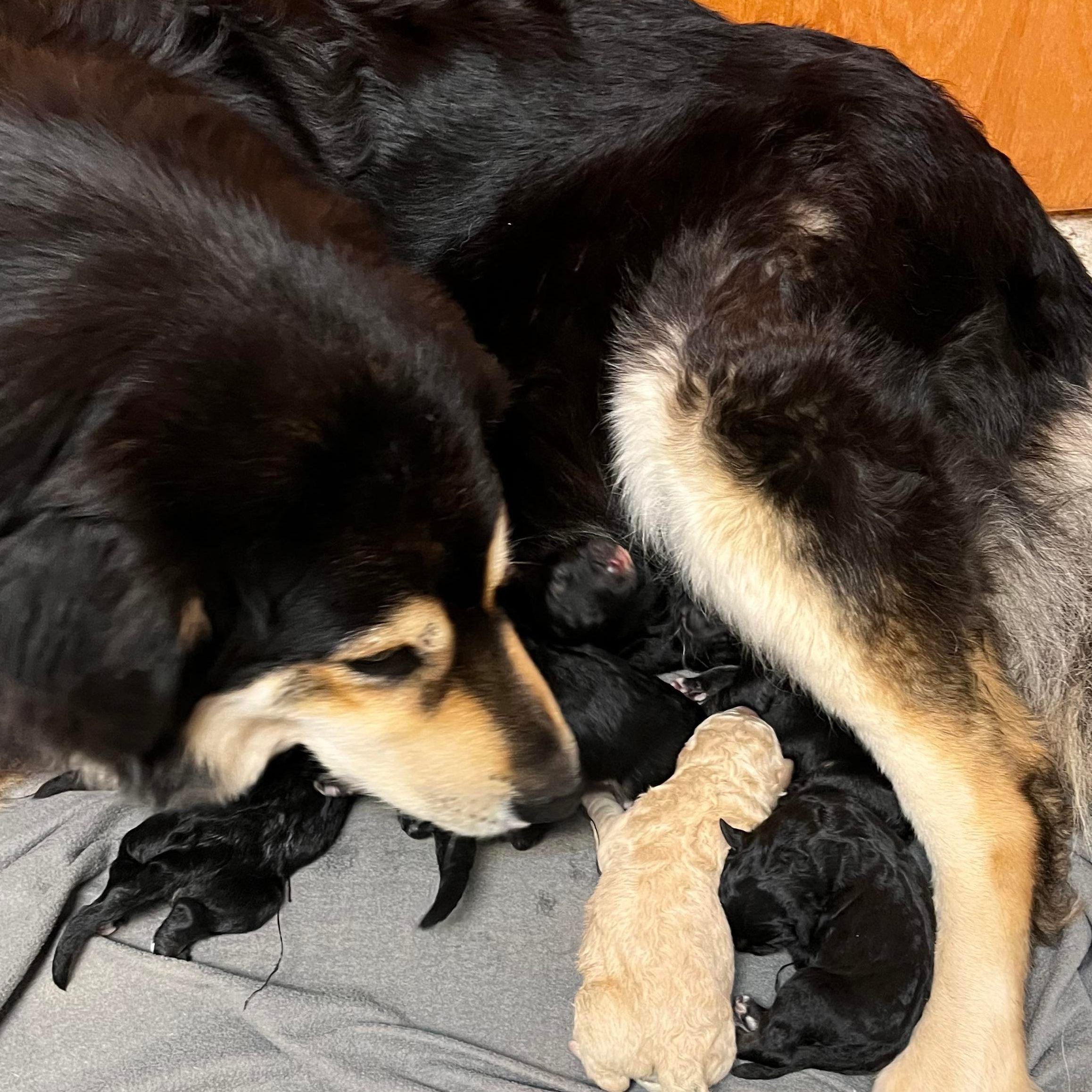
Sila Shepherds have been in North America for no more than a year. The first litter was born in this country in March. We have the exciting opportunity to help grow the breed while preserving its quality here in North America. The Board has been formed to guide the introduction of the breed to North America as we form the breed club. Consider a membership to help support our efforts in breed conservation and growth. Follow along to see how the breed grows in North America.